Finding a dependable cold storage facility feels deceptively simple until the first shipment arrives late or a temperature excursion ruins inventory. The best operators look like they make it easy. They do not. They build redundancy into everything, document like auditors, and treat temperature control as a craft. Whether you search for a cold storage facility near me to support a growing food brand or you manage logistics for a pharmaceutical distributor, the difference between adequate and excellent shows up in the details. If you operate in or around Bexar County, you will notice this even more, since the climate swings from humid heat to surprising cold snaps, and that volatility exposes weak systems quickly. That is why companies hunting for cold storage San Antonio TX options ask hard questions about humidity, airflow, and monitoring before they trust anyone with product.

What follows is a practical lens for evaluating cold storage, with a focus on how real facilities work day to day. The goal is not a shopping list of features. It is a way to spot the operators who sweat what matters, and to recognize the trade-offs you will live with after the ink dries.
Temperature control is a discipline, not a setting
Most facilities can show you a digital setpoint on a thermostat. Fewer can show evidence that the actual product temperature stays in range during peak loading, power blips, and warehouse rush hours. The distinction matters. Ice cream softens at 10 to 14 Fahrenheit and refreezes with crystals that wreck texture. Leafy greens wilt with a two-degree swing and high humidity. Vaccines can become ineffective after a single excursion, even if the air cools back down. A cold storage facility that understands these realities tracks product temperature profiles, not just ambient air.
Day to day, that discipline looks like calibrated sensors at multiple heights and depths, with special attention near doors, corners, and high racks. It looks like pre-cooling protocols before large inbound waves, and staggered loading to avoid warm air flooding a dock. If you walk a reputable refrigerated storage operation, you will hear the hum of evaporators cycling deliberately, not constantly chasing their tails. You will see strip curtains or air curtains that actually touch the floor and have clean edges. You will not see pallets racked up against evaporator coils, which impedes airflow and creates temperature stratification from top to bottom of a bay.
During summer in San Antonio, exterior dock doors can open to 100-plus degree heat, often with high humidity after afternoon showers. Facilities that thrive in this environment usually separate warm and cold zones with vestibules. They also use trailer seals properly, so the cold box on wheels does not turn into a humid sauna. A manager who can explain how they keep dock air at target dewpoint on a 98-degree day has likely earned their scars.
Humidity and airflow: the subtle killers of product quality
If temperature control is table stakes, humidity and airflow determine whether quality holds. You see it in strawberries that mold early or chocolate that blooms. You also feel it in your electric bill if the facility lets moisture load up. Dehumidification works best as a preventive measure, not as a downstream fix. Some of the best cold storage facilities invest in desiccant systems for certain rooms, especially packaging zones where cardboard, labels, or corrugate can absorb moisture and warp.
Airflow is a balance. Too much velocity near sensitive produce dehydrates the product. Too little airflow around densely stacked pallets creates warm pockets and condensation. Operators who treat airflow as part of their layout put heavier, taller pallets near returns and lighter or sensitive product where microclimates are most stable. They support this with regular airflow mapping, not just an initial commissioning report. Ask how often they do smoke tests or thermal scans. The answer should not be once at startup. Quarterly is common in high-compliance environments, and after any racking reconfiguration or equipment change.
Power resilience and mechanical redundancy
If you operate a cold storage facility in South Texas and you do not have a tested generator protocol, you are gambling with product and relationships. The best facilities treat power as a layered defense. They have automatic transfer switches and fuel contracts, and they test them under load, not just in a maintenance log. They also segment critical rooms, so a failure in one zone does not risk the entire building.
Mechanical redundancy usually means N+1 or better on compressors and evaporators in key rooms. It also means spare parts on site for common failure points, from fan motors to contactors to belts. When a facility manager can point to a shelf with labeled spares and a maintenance tech can tell you how many hours it takes to swap an evaporator fan, you are probably standing in a place that will protect product during rough weeks.
The quiet backbone: QA, HACCP, and documentation
A good test of any refrigerated storage provider is how they handle nonconformances. If they say they do not have many, that is nice. Ask how they investigate and close them. Look for a HACCP plan that is tailored to their operation, not a generic binder. It should define critical control points by room and commodity, list corrective actions by excursion type and duration, and show real incident records that match the plan. If you handle pharma or medical items, ask how their quality system maps to 21 CFR and USP guidance. For food, ask about their most recent audit scores and how they handled the last finding that required a process change.
Documentation is not just a compliance checkbox. It is how you reconstruct a chain of custody when something goes wrong. A refrigerated storage facility near me might boast new racking and bright LED lighting, but if they cannot produce a time-stamped temperature log from your product’s specific location on the day you had a complaint, you will fight blind. The better operators have digital systems that link warehouse locations to temperature zones and keep those logs for years, not months.
Dock discipline and the first 100 feet
Most temperature excursions happen where warm air meets cold product, which is usually the dock. The best cold storage facility operators obsess about the first 100 feet from trailer to location. They pre-stage product, limit door openings, and, during peak heat, shift large moves to early morning or late evening. You will also notice they dock trailers quickly and use dock leveler seals properly to keep hot, humid air out.
Time in the danger zone is tracked. A smart warehouse tech can tell you how many minutes a pallet of milk can sit on the dock before they must reject or re-cool. That kind of practical standard separates theory from practice. It reduces arguments when a carrier arrives late and wants to pressure staff to load quickly regardless of the product’s state.
Slotting, lot control, and traceability
Inventory accuracy does not matter only for finance and planning. In cold storage, it keeps product safe and helps you rotate stock correctly. Facilities that handle high-mix inventories, especially in refrigerated storage San Antonio TX where seasonal produce surges can overwhelm slots, need strong lot control. That means first-expire-first-out rather than simplistic FIFO. It also means reserving temperature-stable locations for sensitive, short-shelf-life goods.
A robust WMS syncs with scanners that work in cold environments. Cold rooms are hostile to consumer-grade tablets and phones. Condensation creeps into charging ports. Batteries drain faster in the cold. The better set-ups use sleeves, heater-equipped mounts on forklifts, and device rotation plans. Ask how often they replace scanner batteries and how they prevent condensation when devices transition from freezer to dock. The answer should not be “we wipe them off.” Look for staging areas where devices acclimate before being used.
Food safety and pest control where it actually counts
Pest control in cold environments looks different from ambient warehouses. Rodents prefer warmth, so the battle happens at the perimeter, in mechanical rooms, and along roof lines where equipment radiates heat. In humid months, doors become magnets for insects, particularly if lights attract them. The best facilities adjust lighting spectra at entrances, keep vegetation trimmed, and run tight sanitation programs with documented swab testing, not just weekly mop-and-bucket routines.
Cleaning chemicals change by zone. In freezers, standard wet cleaning can create skating rinks. Dry ice blasting, vacuum systems, or carefully planned thaw-and-clean cycles make more sense. A manager who walks you through their freezer cleaning calendar and shows before-and-after photos from the last deep clean has done the unglamorous work that prevents contamination and slip hazards.
Packaging, kitting, and value-added services
Many customers come looking for a simple cold storage facility near me and end up needing more. Labeling changes, retailer-specific case packs, or sample pulls become part of the workflow. Not every refrigerated storage provider is good at value-added services. If you might need them, evaluate early. Look for dedicated, temperature-appropriate kitting areas with adequate lighting and ergonomic stations. Check that they have QA checks embedded in the process, not just at the end. If the work involves allergen segregation, ask to see their label control process and how they verify clean breaks between SKUs with different allergen profiles.
In San Antonio, brand owners serving both regional grocers and national chains often need flexible compliance with multiple spec sheets. A facility that runs small-batch relabels without losing speed can be worth more than one with slightly lower storage rates.
Transportation integration: where miles meet temperature
Refrigerated storage near me is only half the equation if the facility cannot connect to reliable transport. The best operations have relationships with carriers that know their docks, bring properly maintained reefers, and can maintain setpoints without constant babysitting. For cross-dock work, ask about door-to-door time and how they verify trailer temperatures before accepting product. An infrared thermometer tells you only surface temperature. Pro operators pull time-temperature logs from trailer units and reconcile them with bills of lading.
If you are evaluating a cold storage facility San Antonio TX location, consider highway access to I-10, I-35, and Loop 410, as well as distance to major retail distribution centers. A 10-mile difference with frequent traffic can mean two missed appointment windows a week. Some facilities also offer drop trailer programs with powered plugs for reefers. If they do, ask how they monitor those trailers overnight and who responds to alarms at 2 a.m.
Energy efficiency and cost stability
Energy is often the largest controllable expense in cold storage, and it affects your rates. Facilities with variable frequency drives on compressors and fans, LED lighting with motion control, and good door management typically run lower kWh per pallet than older buildings. A useful question is how their energy use changes between summer and shoulder seasons. A facility that tracks energy intensity by room and shift usually has the discipline to hold your costs steady. If they participate in demand response programs, ask how it affects operations. Curtailment that raises room temperatures during a heat wave can be risky if it is not carefully planned.
Solar on the roof is a nice talking point, but its value depends on load profile and utility tariffs. In many cases, solar offsets office and dock power more than heavy refrigeration loads, which peak in the afternoon and early evening. A candid operator will explain this instead of overselling the benefit.
How to read a facility tour like an insider
You can learn a lot in 30 minutes if you know what to watch. Listen for how staff speak about process. Do forklift drivers check in and out of temp-controlled zones with a habit of closing strip curtains behind them, or do they ram through without care? Are evaporator coils clean, and are drain pans free of ice stalactites? Look at door frames for frost buildup, a sign of poor sealing and wasted energy. Peek at the maintenance shop. Is it organized, with lockout-tagout equipment clearly labeled? Small details reveal culture.

You also want to meet the person responsible for scheduling and the person who handles exceptions. They will shape your daily experience more than the account executive who leads the tour. If they can describe how they handled a holiday surge last year, with specific hour-by-hour adjustments, you have a team that will adapt when your forecast misses by 20 percent.
The San Antonio factor: climate, labor, and regional demand
Cold storage San Antonio TX has its own rhythm. Heat dominates from late spring through early fall. Humidity can spike after storms, and dust turns to mud quick when trucks move in and out. A strong facility invests in concrete apron maintenance and keeps water from pooling near dock aprons. The labor market is another local variable. Working in a freezer is tough, and retention hinges on schedules, gear, and breaks. High-churn facilities struggle to hold standards week after week. Ask about average tenure for warehouse associates and what they provide in terms of PPE. Better gear means fewer accidents and faster work without shortcuts.
Demand patterns differ too. South Texas handles produce from Mexico, beef from Central Texas, and growing volumes of frozen prepared foods. That mix creates pressure on both cooler and freezer space at different times of year. A facility with flexible rooms that can swing between 34 Fahrenheit and -10 Fahrenheit can ride those waves better than one with fixed setpoints.
Technology that helps, not just dazzles
There is a lot of software aimed at warehouses. In cold storage, technology earns its keep when it survives the cold and reduces rework. Simple wins count. Door sensors that log openings and closings help link excursions to root causes. Wireless temp sensors with long battery life and cloud logging make audits easier. Vision systems on forklifts that help align pallets in top racks reduce accidents and product damage. Some facilities experiment with autonomous floor scrubbers, which can work well if they handle condensation and uneven floors.
What does not help is tech that confuses staff or generates alerts nobody has time to interpret. If a facility shows you a dashboard full of red-yellow-green but cannot explain how yesterday’s alerts led to one specific corrective action, you are seeing theater, not management.
Pricing that reflects service, with clear trade-offs
Cold storage pricing can hide surprises. You will likely see a combination of storage rates per pallet per day, handling fees for inbound and outbound, and add-ons such as labeling, pallet restacking, and after-hours charges. Some facilities charge different rates for frozen versus chilled, or for products that require humidity control. A transparent operator explains where your money goes and how behavior changes costs. For example, frequent case-pick in a freezer zone slows throughput and raises labor costs. If you need that service, consider whether a separate pick module in a higher temperature zone can meet your needs without degrading product.
Do not chase the lowest published storage rate. A facility that runs hot and cold on service will cost more in write-offs, penalties, and missed sales. Ask for a sample invoice with every possible charge type. Clarify what constitutes a “pallet” for billing if you run mixed or short pallets. Agree on how partial month storage is pro-rated. Pain later often begins with vague definitions at the start.
What to ask when you evaluate a cold storage partner
Use your site visit to get beyond brochures. The questions below focus on proof, not promises.
- Show me the last three months of temperature logs for the specific rooms we would use, by sensor location. How do you calibrate those sensors, and how often? Walk me through your power failure protocol. When did you last test it under load, and what changed after that test? How do you manage humidity during peak summer heat? Do you track dewpoint on docks and in vestibules? What is your process for handling a temperature excursion affecting my product? Who calls me, when, and with what data? Can I meet the operations lead and the maintenance supervisor? How does maintenance prioritize work orders during peak season?
Those five questions tell you almost everything about a facility’s culture. You can add logistics-specific questions about carrier performance and dock scheduling if transport is a priority.
The difference between cold storage and great cold storage
Great operators have a calm center. They align building design, equipment, people, and process around one goal: keep product in spec while moving it efficiently. They do not chase every possible service. They choose a range of SKUs and handling profiles they can support with excellence. If your requirements fit their wheelhouse, you will feel it in the first week. Appointments stick, reports arrive on time, and when something goes wrong, they tell you before you ask, with the facts you need.
If you are searching for a cold storage facility near me, especially a refrigerated storage San Antonio TX provider, visit more than one. Tour on a hot afternoon and during a busy shipping window. Bring someone from QA along with operations. Ask to stand in the dock for ten minutes just watching. The right facility will not rush you or stage an unrealistic show. They will welcome scrutiny, because they know their systems will pass it.
A short field story from a summer surge
One July, a regional dairy brand rolled out a new product during a week of triple-digit heat. They booked space at two facilities to hedge risk. The first had newer equipment and lower rates. The second had a reputation for being picky and charged higher handling fees. After two weeks, the brand consolidated everything with the second provider. Why? Dock discipline. The pickier facility staged outbound loads in a cooler vestibule, checked trailer setpoints before opening a single door, and refused to load when a carrier arrived with a warm reefer. They documented every delay and called the brand immediately. The first facility loaded warm trailers to keep refrigerated storage near me appointments, trusting the reefer to cool in transit. Returns spiked. Retailers flagged temperature variances. The rate difference evaporated under fines.
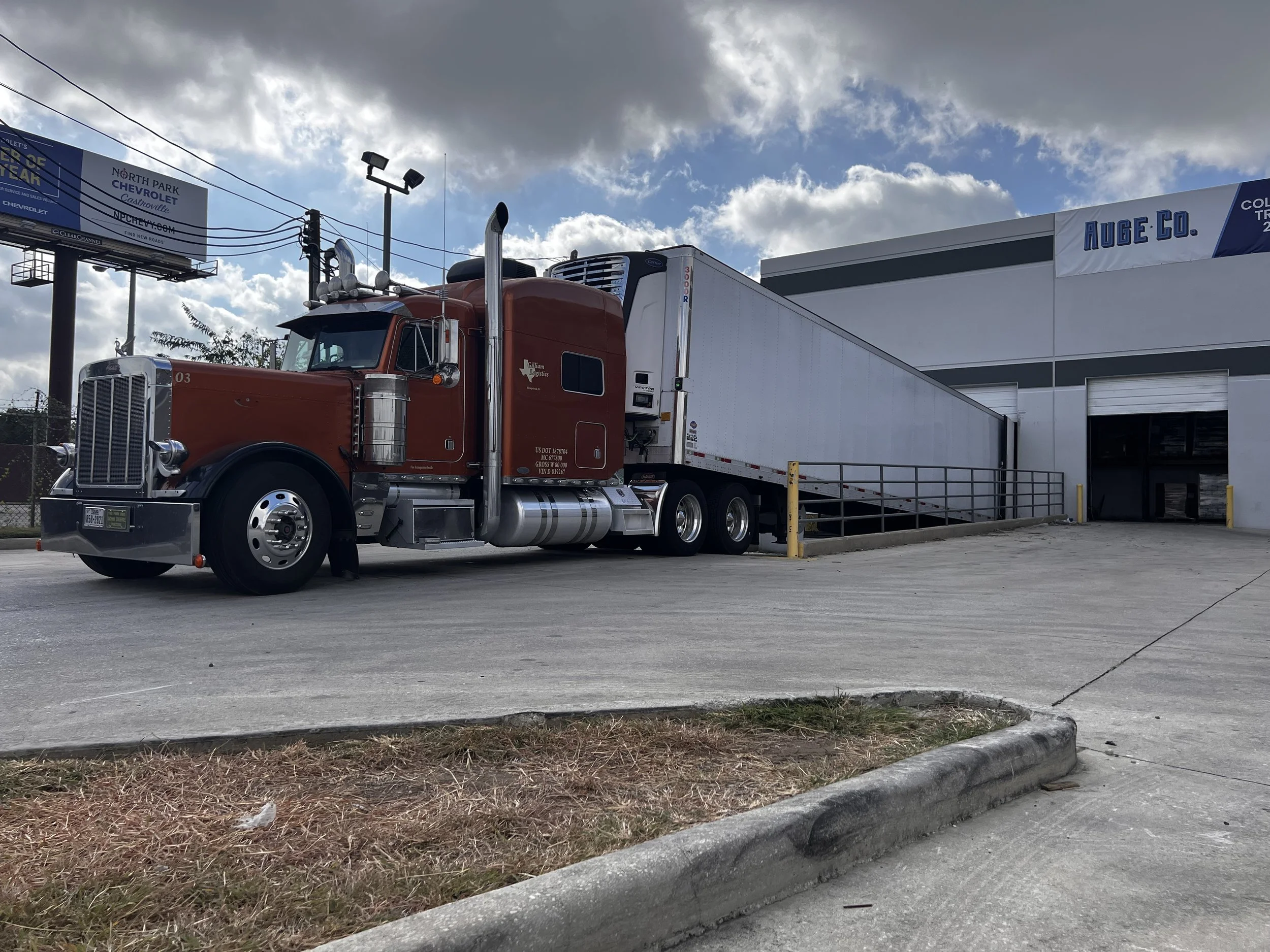
That story repeats in different forms across sectors. A good cold storage provider says no at the right time. That kind of no protects your brand and your margin.
If you are in or near San Antonio, a few local cues
Traffic around Loop 410 and I-35 can stack up fast during late afternoon. Facilities that operate flexible appointment windows for inbound and outbound avoid congestion. Ask about early-morning dock staffing levels. Summer electrical demand response events can strike between 3 and 7 p.m. The better cold storage San Antonio TX operators pre-cool rooms before those windows and stage loads to minimize door cycling during curtailments. If a provider can describe last August’s plan in detail, they are not new to the game.
Water intrusion after heavy rain is another local hazard. Moisture on docks creates slip risks and moisture spikes in coolers. Look for well-graded aprons, effective trench drains, and visible maintenance of door seals. These details matter more than pretty offices.
When cold storage near me means long-term partnership
If you plan to scale, choose a facility that can grow with you. Ask about adjacent land, racking expansion potential, and lead times for more capacity. In many markets, permitting for new refrigerated storage can take months, and equipment lead times can stretch past a quarter. A partner who thinks ahead with you can phase growth without chaos. Some will even offer short-term overflow solutions in nearby buildings when you hit seasonal peaks.
Think of your first six months as a joint pilot. Set specific metrics you both care about: on-time inbounds and outbounds, order accuracy, temperature compliance by room, dock-to-rack cycle time, and damage rates. Review them monthly, with both leadership and floor managers. When you celebrate wins and fix misses together, you get the best of what a cold storage facility can offer.
Bringing it all together
A refrigerated storage facility is not just square footage and cooling tons. It is a living system that must perform when heat, humidity, and demand converge. The best facilities do the unglamorous things consistently. They calibrate sensors. They clean drains. They stage smart. They invest in people who can make judgment calls at odd hours. If your search for a cold storage facility near me leads you to operators who speak plainly about failures they learned from, keep talking. If you are narrowing options for cold storage facility San Antonio TX, ask for proof in logs, protocols, and people. Equipment matters, but culture carries you through the weeks when every truck arrives at once and the forecast was wrong.
Choose a partner who treats temperature as a promise, not a number on a screen. Your product, your customers, and your stress level will show the difference.