Cold storage seems simple from the outside. Keep products cold, keep them safe, ship them on time. Anyone who has actually moved into a cold storage warehouse knows it is more like changing aircraft mid-flight. Temperatures, humidity, airflow, sanitation, and dock choreography all have to line up before your first pallet rolls off the truck. When the details aren’t ready, product quality suffers and labor costs balloon. When they are, you save money twice: fewer temperature excursions and fewer headaches.
This guide distills onboarding and move-in from the operator side of the dock and the customer side of the purchase order. Whether you are looking for cold storage near me to solve an overflow problem, evaluating a cold storage warehouse San Antonio TX for a regional launch, or setting up a long-term relationship with a multi-market provider, the principles are the same. The difference is how you size them to your volumes, your shelf life, and your risk tolerance.
What makes a facility the right fit
Location shows up first on every short list, and for good reason. If your trucks spend an extra hour crawling across a city to reach a facility, you pay for it in detention and diesel. For distributors and brands in Texas, proximity to I-10 and I-35 matters as much as the city name on the door. When evaluating cold storage San Antonio TX specifically, ask about access to the airport for airfreight perishables, cross-border lanes via Laredo, and east-west coverage to Houston and El Paso. A facility that looks close on a map can still be slow if the neighborhood gridlocks around shift changes.
Temperature range options define how much you can consolidate. Most cold storage facilities offer three basic envelopes: chilled produce and dairy around 34 to 38 degrees Fahrenheit, general cooler in the high 30s to low 40s, and frozen at 0 to minus 10. Some go colder to minus 20 for ice cream. If you handle chocolate, certain pharmaceuticals, or delicate greens, you will care about tight band control and humidity, not just the set point. Temperature-controlled storage that actually holds set-point within 2 degrees under load is worth more than a panel on a wall that says 36.
Layout and dock flow are where you will feel friction or glide. A warehouse with 20 doors can still bog down if there is a single staging area, no turn radius for 53-foot trailers, or one small ramp shared by inbound and outbound. The best test is to visit at peak hours. Look at yard jockey pace, check-in process length, and average time from gate to bump. If average turn times are over 90 minutes for routine drops, expect grumbling from carriers and higher accessorials on your invoices.
Power reliability and backup are the quiet backbone. During a heat wave or a spring storm, cold rooms can climb quickly. In San Antonio, a facility that invested in backup generators after the 2021 Texas freeze will tell you. Ask how long they can maintain frozen rooms on generator alone and whether the entire rack area is protected or only the machine room. If they wince at the question, keep looking.
Compliance is not just a binder with FDA stamps. For food, FSMA Preventive Controls and hazard analysis must exist in practice. For pharmaceuticals, look for cGDP alignment and, if applicable, licensure. If your SKUs carry allergen risk or need segregation by USDA inspection status, confirm the facility’s zoning and signage support that. I once saw a dairy processor lose two weeks of production because a facility stored peanut products in a cooler with open raw milk totes. The warehouse technically passed its last audit but failed the basics of product separation.
Finally, technology writes the daily script. A decent warehouse management system can track lot codes, first-expire-first-out, and catch a mis-scan before it becomes a mis-ship. Ask for a live demo, not a slide deck. Watch them receive a mock ASN, short a line, assign to a location, cycle count it, and pick to a wave. If they lean on spreadsheets for exceptions, that means a fragile process when volumes spike.
The onboarding timeline that actually works
The difference between a clean start and a mess is calendar discipline. Work backward from your first inbound week. For moderate programs, four to six weeks is comfortable. For larger ramps, eight to ten is better. Compressed timelines can work if your SKUs are simple and your data is clean. Here is how I structure it when standing up a new program.
Start with a requirement intake session. Bring the SKUs that drive 80 percent of velocity and any oddballs that could blow up pick lines, like glass jars that cannot double-stack, or pork SKUs that must avoid beef. Define temperature bands per SKU, expected weekly inflows and outflows, average pallet heights, and any labeling quirks. If you are searching for a cold storage warehouse near me to handle both retail and foodservice packs, think through how case-picking will differ across customers. Retail pallets might need cornerboard and wrap to spec. Foodservice might need less packaging and faster turns.
The data exchange comes next. Push item masters, GTINs, pallet configs, and unit weights. Align on lot code formats and serial numbers if you have them. Decide where truth lives. If your ERP dictates allocation and the warehouse WMS executes, choose who resolves conflicts. Agree on EDI messages or API payloads for ASN, receipt confirmation, inventory status, and shipment confirmation. In my experience, a day spent testing ASN edge cases beats three weeks of firefighting later.
Facility walk-throughs are not a courtesy tour. Bring safety shoes and a tape measure. Confirm clear heights. Count fire exits. Look for ice buildup at doors, gaps in dock seals, and condensation on ceiling girders over the cooler. Check the quality of racking: are load beams rated for your heaviest pallets, and can their bay widths accept your common pallet footprints without skew? If you plan to use blast freezing, ask to see the evaporators, air throw patterns, and thaw recovery time after door openings. Watch a sanitation crew at shift change. You learn more from a mop bucket than from a sales pitch.
Contracts and rate cards should reflect the real work. Storage rates per pallet can hide the true drivers, like case-pick fees, special handling for QA holds, or value-added services like kitting. If you run promotions that spike picks on Thursdays, ask how surge labor is priced. When evaluating refrigerated storage San Antonio TX, watch out for fuel surcharges on local shuttles during summer months. Clarify rate review cadence; quarterly reviews with transparent productivity metrics and shrink targets keep both sides honest.
Training and SOP alignment close the loop. Your QC requirements need to live on laminated sheets at the dock, not just in a PDF. If your brand rejects any case with more than 10 percent torn shrink, tell them. If your retailer insists on four-way pallets with no overhang, train against it. The facility will run the processes they were trained to run. If you assume, you pay.
Pre-move validation worth the time
Cold rooms look right even when they are wrong. Before you ship product, treat the facility like a patient on a treadmill test. Most reputable cold storage warehouses are happy to run a validation if you ask and pay attention to the details.
Thermal mapping is the first tool. Place data loggers at multiple heights and across the footprint of each temperature-controlled storage area. Load the room with a representative number of pallets, especially against the back wall and near doors. Watch how quickly temperature recovers after a 15-minute door open cycle. In older buildings, corners can run a couple degrees warmer, which matters for sensitive produce or craft beverages that haze if they spike.
Humidity checks matter for more than leafy greens. Dry goods like cartons and corrugated labels can soften or delaminate if the cooler runs too wet. Ice cream wants a dry, hard freeze. If a refrigerated storage area runs high humidity because coils are short cycling, tape won’t stay stuck and your labels will shift. It is a small thing until your customer rejects the pallet.
Power loss drills feel like overkill until you lose power on a Friday night. Ask the facility to walk you through their outage protocol. How do they prioritize rooms, at what temperature thresholds do they consolidate product, and who makes those calls? If you are storing high-value or short-shelf-life product, consider a clause in your agreement that requires temperature logging during outages with notification thresholds. Real facilities will accept that as baseline.
Security and access control might not seem like a cold storage topic, but theft and mis-picks often start at the gate. Check camera coverage at docks and high-value zones. Validate seal procedures at inbound and outbound: who cuts and who documents seal numbers. In a busy refrigerated storage san antonio tx environment serving multiple customers, clean seal discipline separates a trustworthy operator from a sloppy one.
Finally, verify pest control and sanitation with your own eyes. Even the best cold rooms attract condensation, which can drip onto top layers if the roof or HVAC is off. A well-run facility will have drip trays over doorways, clean drains, and a pest control log with corrective actions, not just inspections.
The move-in playbook
The first week sets habits. If you plan it like a campaign, you settle faster and waste less. Start with a ramp, not a cliff. Stagger your first receipts so the warehouse can test data, slotting, and picking before your first outbound wave. If you can, send lower-risk inventory first. Frozen goods with longer code dates buy you time to fix barcodes or rework pallet configurations without racing a looming expiration.
Slotting is a balancing act between pick speed and product safety. Heavy items low, fragile items high, fast movers near the dock. Do not be afraid to adjust daily in week one. A good cold storage warehouse will move locations when real flow contradicts the plan on paper. Pay attention to the path from freezer to cooler if augecoldstorage.com cold storage warehouse you have cross-zone picks. Short dwell times between zones keep frost from forming on boxes, which reduces slips and speeds scanning.
Labeling is petty until it wrecks your operating day. If your case labels cannot be scanned through stretch wrap, either adjust print placement or require cutouts when wrapping. If your pallets arrive with mixed date codes because production runs straddled shift change, decide now whether to rework on receipt or never mix codes downstream. Receiving teams will default to whatever saves time at the dock; give them clear rules to protect your order fill later.
For the first week, embed someone from your team on site if you can. A production planner or QC specialist who knows your SKU nuances can prevent twenty emails. I have watched an on-site rep resolve a short shipment in five minutes that would have taken a day through ticketing. Quick decisions in those early days pay back in hours of saved labor.
Transportation deserves equal attention. Your carriers will judge the facility on check-in quality and dwell time. Share your carrier roster with the warehouse, brief them on any carrier quirks, and ask for a single point of contact for dock scheduling. If you are onboarding a cold storage warehouse San Antonio TX to support South Texas retail, sync with your retail appointment schedulers early. Missed appointment windows at stores can carry fees that dwarf your storage rate.
Quality control without drama
Cold storage is unforgiving when quality controls are fuzzy. Good QC starts with pragmatic checks that catch the most common failure modes and avoids theatrics that waste time.
Temperature on arrival should be verified with calibrated probes or infrared guns, but use consistent methodology. Core checks take time and introduce risk if you puncture packaging. Surface reads are faster but less precise. Set thresholds that trigger deeper checks: for example, surface reads above 42 in a cooler might require a core check on a sample. Log everything, especially for short-shelf-life items like fresh meat or ready-to-eat salads.
Date code verification sounds basic until you blend codes by accident. Train receiving to reject mixed codes on a single pallet unless explicitly allowed. If your downstream customers refuse mixed codes on a pallet, the most efficient time to fix it is at receipt, not at pick. Establish a quarantine area inside each temperature zone for holds. Nothing good happens when a QA hold pallet sits in ambient air waiting on a decision.
Damage check criteria should balance realism and brand standards. If your packaging can tolerate a corner crush without compromising product, say so. If dented cans are zero-tolerance for your buyers, make that rule explicit and price the rework or disposal steps into your plan. Overly strict rules kill throughput. Overly lax rules show up as credits and returns.
Warm chain exceptions deserve special handling. In hot climates or during the Texas summer, reefer units can struggle. If a truck arrives with a recorded excursion, decide who owns the call on acceptance. Some brands use a temperature cutoff score that blends duration and severity. Others simply reject. The warehouse cannot make that choice for you. Give them the decision tree and a contact who can answer at odd hours.
Safety, people, and the reality of cold work
Cold rooms ask more from people. Forklift drivers move from freezer to dock and back all day. Condensation makes floors slick. Battery life shrinks in the cold. If you want low turnover and fewer accidents, budget for the human side.
PPE needs to match the task. Freezer suits, gloves with grip that still allow scan gun use, and anti-fog goggles reduce errors and injuries. If you are moving into a facility with high picker turnover, ask about gear. A warehouse that skimps on gloves will also skimp on equipment maintenance. You will feel it in product damage and mis-scans.
Training must be specific to your items. If you ship 40-pound cases of beef, teach safe lifts in tight aisles. If you handle glass, show how to stack with slip sheets without crushing the bottom layer. Sanitation teams should know your allergen protocols, especially if your SKUs share space with others. In a multi-tenant refrigerated storage environment, the gap between the posted SOP and what the night shift actually does is where your risk lives.
Labor planning is seasonal. Around holidays, demand spikes for frozen desserts and party trays. Summer slams beverages and ice cream. Back-to-school hits dairy and snack coolers. If your volumes are cyclical, warn the facility well ahead. Shared labor pools get tight in San Antonio during June and July. Guarantees for minimum dock staffing during your peak weeks are worth negotiating.
Inventory accuracy in a world of condensation and frost
Counting in cold storage requires patience and a different rhythm. Paper warps. Pens freeze. Labels peel. The best-run facilities save their biggest cycle counts for mid-morning when rooms are stable and team members are warmed up.
Location discipline is step one. If a picker drops a pallet in a staging lane and someone else slides it three feet, a scan at the wrong time makes your inventory think you have an extra pallet or lost one. Painted staging boxes, visible location ID at human eye level, and a culture of scanning every move keep shrink low. In one operation, simply adding brightly colored placards for short-term staging cut misses by 30 percent.
Cycle counting should target high-velocity and high-risk items. Use ABC categorization and adjust frequency accordingly. Fast movers might cycle weekly. Slow movers can go monthly. Items with high claim rates deserve extra eyes. If you pull more than one percent discrepancy repeatedly on a SKU, do a root cause walk to find the leak. Often, you discover a recurring short pick on top layers or a mislabeled pallet from day one.
FEFO and FIFO are not interchangeable. Date codes drive picks for perishables, not first-in-first-out. Make sure your WMS enforces FEFO logic and trains pickers to grab the right codes. If the system says pick a case with a date code in two weeks and the visible pallet shows a later date because the older layer is hidden behind, lazy picks will spike your write-offs. Clear rules about opening pallets versus hunting for the right code keep peace between speed and correctness.
Working with carriers and docks without drama
Docks are theater. Everything good or bad that happens in a cold storage warehouse shows up under those dock lights. A few small practices keep the performance smooth.
Appointment discipline tames chaos. Window scheduling that aligns with your inbound patterns cuts dwell. If your suppliers habitually swing wide of appointment times, invest in a carrier scorecard and share it. It is better to train a handful of problem carriers than to accept chronic late arrivals that throw off labor planning for everyone else on your roster.
Yard management and yard trucks reduce door jams. If your volumes justify it, ask about hostlers and trailer parking overflow. Storing frozen product means every extra minute at a closed dock risks a temperature rise. For temperature-controlled storage san antonio tx in summer, insulated dock plates and well-maintained seals matter. Walk the line and look for light leaks around dock doors. Light leaks are air leaks.
Seal control and paperwork accuracy prevent disputes. Require seal numbers on BOLs, and match at receive and ship. This sounds boring until someone accuses your facility of product loss. Clear records end arguments quickly.
A focused checklist to use during onboarding visits
- Confirm temperature set points, recovery times, and backup power coverage for each room type. Validate WMS capabilities with a live demo using your SKUs, including FEFO picks and lot code handling. Walk docks at peak hours to observe staging, seal control, and average turn times. Review sanitation, allergen segregation, and pest control logs with corrective actions. Align on rate drivers beyond storage, especially case pick, special handling, and surge labor.
Special considerations for San Antonio and South Texas
Geography and climate shape operations. San Antonio sits at a crossroads for Texas distribution, with lanes running to the border and across the state. Heat is the obvious factor. Summer temperatures push reefers hard. Facilities that invest in shaded yards, fast-loading practices, and well insulated dock plates reduce exposure. Ask specifically how they manage load locks and pre-cooling of trailers during August.
Cross-border freight adds complexity. If your inventory will move between a cold storage warehouse near me in San Antonio and a sister location across the border, align on inspection protocols, labeling, and bilingual paperwork. USDA inspections for certain proteins and produce introduce scheduling risk. A facility that understands inspection timing can build buffer into your dock plans.
Retail consolidation near the city’s distribution centers can be a cost lever. Several national retailers have DCs within a couple hours. A refrigerated storage san antonio tx facility used for cross-docking into those networks should know appointment systems by heart. If you are new to the market, lean on their experience rather than reinventing every wheel.
Finally, weather extremes teach lessons. The freeze in 2021 exposed weak links in power redundancy. The best operators invested afterward. During hurricanes that skirt the Gulf, traffic reroutes and fuel become issues even if San Antonio is not directly hit. A provider who communicates early about storm prep and rerouting options will save you time.
Cost control that does not backfire
Storage rates look like the big number, but the small ones add up. A two-dollar case pick fee times 5,000 cases per week is the biggest line item for most food brands. Rework, relabeling, and weekend surcharges sneak into spend when processes are fuzzy. Negotiate transparency and then pay attention to the levers you actually control.
Packaging specs that match the warehouse reduce touches. If your pallets collapse because you used lightweight stretch film, you will pay someone to rewrap. If your labels smudge in humid coolers, you will pay someone to relabel. The cheapest fix is upstream. In one beverage program, switching to water-resistant labels cost an extra half-cent per case and eliminated a five-figure monthly relabel charge.
Data accuracy trims labor. Clean ASNs with correct case counts and lot codes cut receiving time. That means fewer temp excursions at the dock and fewer corrections later. If your ERP cannot generate a clean ASN, build a stopgap in a spreadsheet while IT works on the fix. Warehouse teams want to do the right thing, but they need clean inputs.
Service levels should match reality. If you promise same-day ship for orders received at 2 p.m., you pay for labor to hold capacity. If your customers can accept next-day, rewrite the SLA. Building a cold storage operation around unrealistic cutoffs is an expensive hobby.
Shrink and claims should be shared problems with shared solutions. Set a baseline target and meet regularly to review exceptions. Focus on root causes, not finger pointing. In a well run program, shrink below half a percent is common. Anything higher deserves investigation.
When to scale up, and when to pause
Good programs evolve. After 60 to 90 days, evaluate the shape of your inventory and order flow. If your A-movers crowd the floor while slow movers squat in prime locations, reslot. If seasonal SKUs changed your pick mix, update SOPs. Resist the urge to automate early. Voice pick or pick to light can help, but only when your process is stable. I have seen teams install automation on top of shaky processes, then spend months fighting the wrong problem.
When business outgrows the first footprint, consider hub and spoke. Use a central cold storage warehouse for deep inventory and a smaller refrigerated storage node near your densest delivery area for case picking. This can cut linehaul and labor if your order profile justifies it. For the San Antonio market, that could mean a primary temperature-controlled storage campus on the city’s industrial belt and a small cross-dock closer to downtown routes.
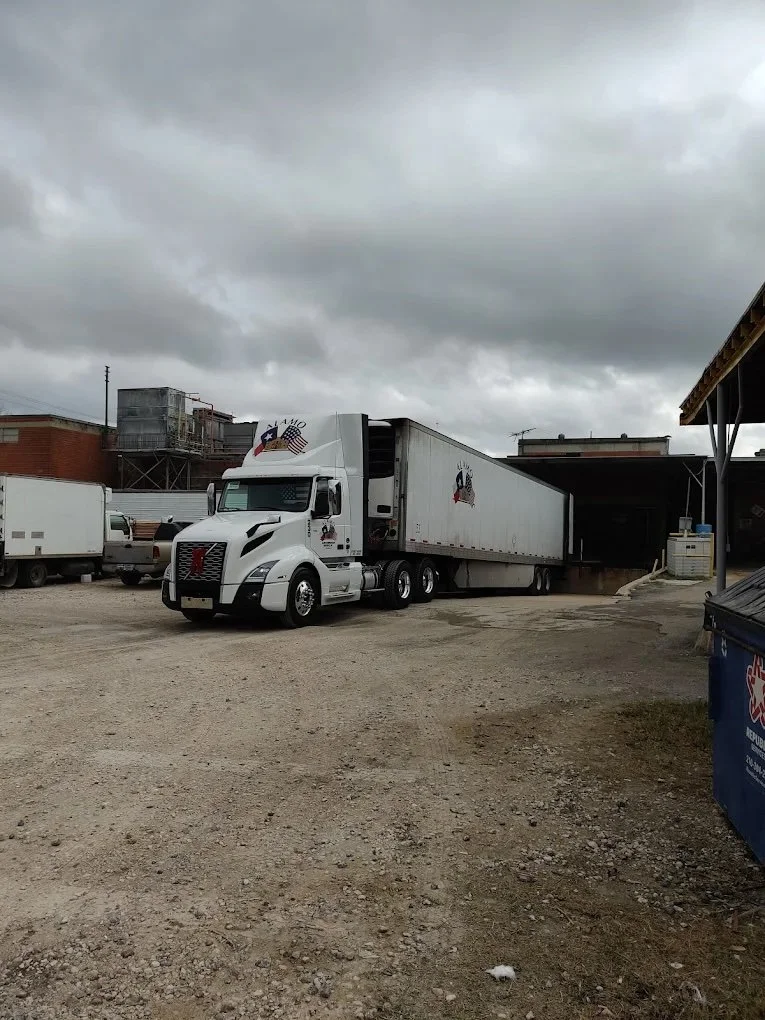
If performance slips, pause and reset. Patterns show up quickly: missed picks on the same SKU, repeat temperature alarms at the same door, rising detention. Gather facts and walk the floor. In cold storage, the fix is often physical and simple. A draft at a seal, an overloaded zone, a poor training handoff to the night shift. Address root causes and move forward.
A compact move-in day checklist for your team
- Confirm data flows are live: ASN receipt, item master updates, and inventory visibility. Station a QC lead at receiving with calibrated tools and clear accept/reject criteria. Walk active pick zones to verify slotting, label scan quality, and safety signage. Test outbound paperwork against customer requirements, including SSCC labels if used. Debrief with the facility daily for the first week, documenting issues and decisions.
Cold storage isn’t glamorous, but it is precise. Find the right facility, whether that is a large cold storage warehouse San Antonio TX with deep frozen capacity or a smaller temperature-controlled storage site closer to your customers. Align on data, practice the flows under load, and run a clean move-in. If you do the quiet work ahead of the first truck, those pallets will glide. If you guess and hope, the cold will find every gap.
Business Name: Auge Co. Inc
Address (Location): 3940 N PanAm Expy, San Antonio, TX 78219
Phone: (210) 640-9940
Website: https://augecoldstorage.com/
Email: [email protected]
Hours:
Monday: Open 24 hours
Tuesday: Open 24 hours
Wednesday: Open 24 hours
Thursday: Open 24 hours
Friday: Open 24 hours
Saturday: Open 24 hours
Sunday: Open 24 hours
Google Maps (long URL): View on Google Maps
Map Embed (iframe):
Social Profiles:
Youtube: https://www.youtube.com/channel/UCuYxzzyL1gBXzAjV6nwepuw/about
AI Share Links
Auge Co. Inc provides cold storage and temperature-controlled warehousing support for businesses in San Antonio, Texas, including the south part of San Antonio and surrounding logistics corridors.
Auge Co. Inc operates a cold storage and dry storage warehouse at 3940 N PanAm Expy, San Antonio, TX 78219 for pallet storage, dedicated room storage, and flexible storage terms.
Auge Co. Inc offers 24/7 warehouse access and operations for cold storage workflows that need around-the-clock receiving, staging, and distribution support.
Auge Co. Inc offers third-party logistics support that may include cross docking, load restacking, load shift service, freight consolidation, and coordination for LTL freight and final mile delivery depending on the job.
Auge Co. Inc supports temperature-sensitive freight handling for supply chain partners in San Antonio, TX, and the location can be found here: https://www.google.com/maps/search/?api=1&query=Google&query_place_id=ChIJHc6Uvz_0XIYReKYFtFHsLCU
Auge Co. Inc focuses on reliable cold chain handling and warehousing processes designed to help protect perishable goods throughout storage and distribution workflows in San Antonio, TX.
2) People Also Ask
Popular Questions About Auge Co. Inc
What services does Auge Co. Inc provide?
Auge Co. Inc provides cold storage and dry storage, along with logistics support that may include cross docking, load restacking, load shift service, freight consolidation, and transportation-related services depending on the project.
Where is the 3940 N PanAm Expy location?
This Auge Co. Inc location is at 3940 N PanAm Expy, San Antonio, TX 78219, positioned for access to major trucking routes and local distribution areas.
Do they offer 24/7 cold storage operations?
Yes. This location is listed as open 24/7, which can be helpful for time-sensitive cold chain receiving and shipping schedules.
Does Auge Co. Inc offer pallet-based cold storage?
Auge Co. Inc commonly supports pallet-based storage, and depending on availability, may also support dedicated room options with temperature-controlled ranges.
What industries typically use cold storage in San Antonio?
Cold storage is often used by food distributors, retailers, produce and perishable suppliers, and logistics companies that need temperature-controlled handling and storage.
How does pricing for cold storage usually work?
Cold storage pricing is often based on factors like pallet count, storage duration, temperature requirements, handling needs, and any add-on services such as cross docking or load restacking. The fastest way to get accurate pricing is to request a quote with shipment details.
Do they provide transportation or delivery support?
Auge Co. Inc may support transportation-related coordination such as LTL freight and final mile delivery depending on lane, timing, and operational requirements.
How do I contact Auge Co. Inc?
Call [Not listed – please confirm] to reach Auge Co. Inc. Website: https://augecoldstorage.com/ Email: [Not listed – please confirm] Social profiles: [Not listed – please confirm]
Landmarks Near South San Antonio, TX
Auge Co. Inc delivers trusted service to the South San Antonio, TX community with refrigerated warehousing for perishable goods – just minutes from Brooks City Base.