Cold rooms look simple from the outside, just concrete, steel, and chill. Step into a working refrigerated storage warehouse during peak intake and the picture changes. The air feels sharp. Condensation tries to form where it shouldn’t. Lift trucks hum between racking, doors cycle open and shut, and every surface that touches a pallet matters. Hygiene and sanitation live or die in small moments like a door left ajar, a mop left damp, or a thermometer ignored. If you are evaluating refrigerated storage, whether you searched for cold storage near me or are narrowing options for cold storage San Antonio TX, the difference between acceptable and excellent often comes down to invisible practices around cleanliness, temperature discipline, and documentation.
I have walked facilities where the floor drains smelled faintly of citrus and quats, the kind of smell that hints at a routine done right. I have also opened a gasket panel to find a bead of mold that said the crew was cleaning what they could see, not what the building needed. The following is how experienced operators approach hygiene and sanitation in refrigerated storage facilities, and what you should look for in a cold storage warehouse near me before trusting it with perishable product.
What hygiene means inside a cold box
Temperature buys time, not immunity. Refrigerated storage slows microbial growth but does not stop it. Listeria monocytogenes, a particular problem in wet, cool environments, can grow at refrigeration temperatures. Yeasts and molds love condensation. Food soils freeze into rock along door thresholds then thaw into slips and contamination risks. Hygiene in a cold storage warehouse is a systems problem: building design, traffic flow, water management, chemical selection, personnel behavior, and verification routines must line up.
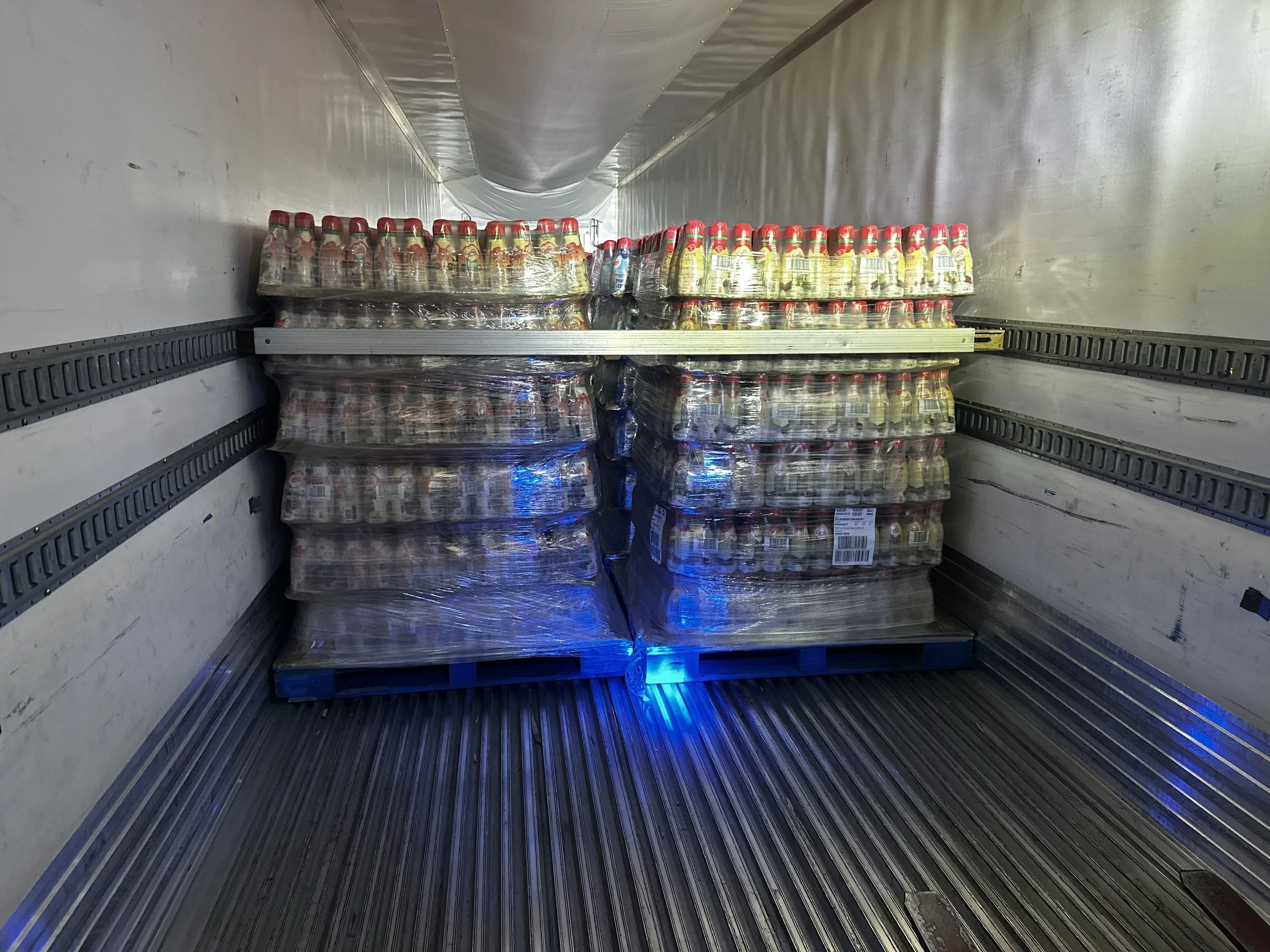
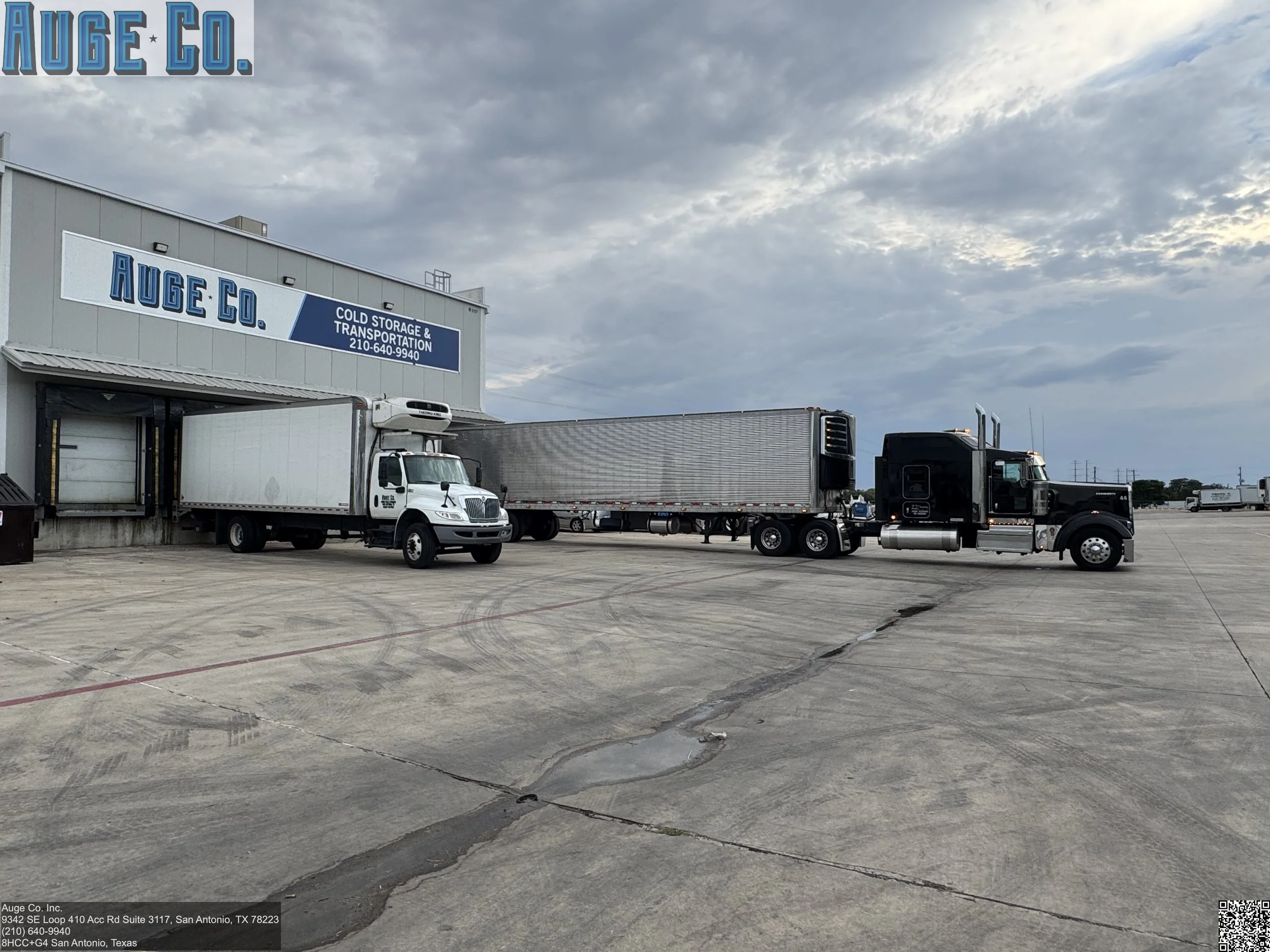
A strong program rests on a few pillars. The building must be designed to avoid harborage points and moisture traps. Air handling and defrost cycles must be tuned to keep surfaces dry without cooking the room. Teams must have clean-in-place and clean-out-of-place workflows that fit the product mix. And the quality function must continually verify that routines work using both visual checks and microbiological data.
Sanitation routines that work in real life
The best programs divide the facility into zones and schedule them on realistic cadences. Busy shipping docks with heavy foot and fork traffic need daily attention. High-bay storage racking inside minus 10 degrees Fahrenheit rooms needs less frequent deep cleaning but still benefits from routine dust and debris removal, especially on lower beams and pallet positions. Expect to see written master sanitation schedules posted or accessible digitally with responsible parties, frequencies, and documented sign-offs.
The cadence will look different in a refrigerated storage facility that handles raw protein versus one that focuses on finished, sealed retail dairy. Raw protein means heavier soil load and typically wet sanitation on a near daily basis in handling areas. Sealed finished goods, particularly if outer packaging remains intact, allows more dry sanitation techniques that limit water use. Either way, a well-run cold storage warehouse San Antonio TX or anywhere else will have distinct dry versus wet cleaning protocols and a rationale for when each is used.
Water is both a friend and a risk
Water carries away soil and provides contact for sanitizers. It also creates condensation, spreads microorganisms, and introduces slip hazards. This trade-off drives many of the best practices in hygienic cold storage.
In freezers, I prefer dry methods first: vacuuming debris with HEPA units, scraping and mechanical removal, followed by spot application of low-moisture foams. Where wet cleaning is necessary, crews should stage it close to a scheduled defrost or heat cycle so the room can dry before being returned to service. In coolers, wet sanitation is more common, but drainage and air movement have to be right. Look at the floor slope. You want consistent pitch to trench drains, no pooling under racking, and stainless or polymer drains with clean-out access. Lift a drain grate if allowed and take a quick look. If you see heavy biofilm, the sanitation team is not getting down to the bones often enough.
Choosing sanitizers for cold, wet environments
Not all sanitizers behave the same at low temperatures or on certain materials. Quaternary ammonium compounds (quats) are versatile, but many lose efficacy below about 40 degrees Fahrenheit and can leave residues that build up on floors. Peracetic acid blends handle organic load well and remain effective in cold environments, though they have pungency and require good ventilation. Chlorine releases work, but corrosion risk goes up near metals and gaskets if concentration or pH control slips. Alcohols flash quickly and are better for tools and small surfaces rather than broad applications in a cooler.
Operators who run mixed environments often stock a suite of chemistries and match them to the job. The labels matter. Watch the team check test strips, document concentration, and observe required contact times rather than rushing to rinse or dry. If you see a crew fogging without eye and respiratory protection or applying one chemical on top of another, that is a red flag.
Touch points, not just floors and walls
Palettes and forklifts are constant vectors. Wood palettes shed fibers and can host spores. Plastic palettes clean better and are easier to sanitize, especially if the facility uses closed loop pallets and controls their movements between zones. Lift trucks carry contamination on wheels, forks, and backrests. Good programs park lifts in designated areas and include them in the sanitation schedule, with fork surfaces wiped between product families, especially when moving from raw to ready-to-eat zones.
Door curtains, dock levelers, control buttons, scanner handles, and printer housings collect grime. Racking uprights and lower beams, especially near doors, show the story of the room. If you run a clean white glove along a beam and pick up residue, the team is focusing on big surfaces and missing the places hands and pallets touch.
Temperature discipline is hygiene
You cannot separate temperature control from sanitation outcomes. Warmer air holds more moisture. Every time a door opens, warm humid air enters, condenses on cold surfaces, then drips and pools where gravity takes it. The result is microbial growth, ice buildup, and slips. The best refrigerated storage facilities treat door discipline as a core hygiene practice. High-speed doors, vestibules, dock shelters with tight seals, and air curtains all help, but they only work if they are maintained and used correctly.
Monitoring tells the truth. Expect continuous temperature logging with alarms tied to escalation protocols. A solid facility will have clear sightlines from ambient to refrigerated zones and short travel distances to limit door dwell. In places like refrigerated storage San Antonio TX, summer humidity punishes any lapse. I have seen operators in South Texas set up dehumidification stages in the dock area during peak season and run defrost cycles at off-hours to prevent afternoon ice storms inside the freezer.
Environmental monitoring, the quiet backbone
Visual clean is not the same as microbiological clean. Leading cold storage warehouses run environmental monitoring programs that target zones based on risk. Swab sites are mapped, rotated, and sampled at frequencies that reflect traffic and historical data. Listeria species are the common indicator organism for coolers and freezers that handle ready-to-eat items. When positives occur, the response is not panic but an investigation that traces to root cause and adjusts cleaning, traffic, or infrastructure.
Ask to see trend charts. You want to see seasonality considered. In humid months, hits often rise around thresholds and docks. A mature program acknowledges that reality and plans more aggressive cleaning and air handling changes, rather than pretending every week is the same. Facilities that treat swabbing as a pass-fail for audits miss the chance to learn.
Pest control without excuses
Cold slows pests but does not eliminate them. Rodents like warm compressor rooms and electrical chases. Birds target open dock doors. Occasional grain moths hitchhike in corrugate. An integrated pest management program belongs inside every temperature-controlled storage facility, with exterior bait stations mapped and interior monitoring devices staged in a grid near doors and racks. Sanitation intersects here. Food debris that lingers behind dock levelers, spilled sugar on a pallet, or a broken bag of dry goods tucked into a corner become attractants. Look for tight dock seals, disciplined trash removal, and an operator who works with a licensed pest control provider and reviews logs monthly, not just at audit time.
People, training, and everyday habits
Facilities do not clean themselves. Crews do. You want to see training embedded into daily routines, not just a binder and a signature page. New hires should learn how to mix chemicals safely, how to break down floor squeegees and scrubbers for cleaning, and why a drain brush never touches anything but drains. Refresher training should be documented at least annually and after any significant incident or corrective action.
PPE matters in cold. Gloves and goggles fog and stiffen. Good operators stock PPE suited to the temperature and chemical profile. They also write step-down procedures when moving from freezer work to ambient areas to reduce condensation on clothing and prevent carrying moisture back in. Smart supervisors coach on door discipline, staged moves, and where to park lifts. When you walk a cold storage warehouse near me, watch the small choices. Do team members stop to close a strip curtain gap after a pallet passes? Do they wipe a scanner after handling raw product? That behavior says as much about hygiene culture as any written SOP.
Product segregation and traffic flow
Sanitation is easier when the building supports it. Segregate raw and ready-to-eat goods. Keep allergen-containing products in controlled zones with clear labeling, dedicated handling tools, and separate staging. Where co-mingling is unavoidable due to space or throughput, run time separation and complete changeovers with validated cleaning between them. Traffic should flow one way where possible, with clearly marked pedestrian aisles and forklift routes that minimize crossovers between high-risk and low-risk areas.
In mixed-temperature campuses, plan moves so pallets spend minimal time at the wrong temperature. Staging areas should be sized for peak throughput, with refrigeration that holds setpoint under door cycling. If you see pallets sweating in a staging bay, expect sanitation headaches later.
Documentation that earns trust
Auditors do not like surprises, and neither do food safety managers. Documentation is how you prove that routines happen, that deviations are noticed, and that corrections stick. The best refrigerated storage facilities digitize sanitation logs with time stamps and accountability. They attach photos to corrective actions. They cross-reference temperature excursions with sanitation events, and they keep chemicals, SDS sheets, and mixing charts easy to find. For some customers in regulated categories, such as meat or infant formula, the facility may operate under SQF, BRCGS, or similar certification. Certification is not a guarantee of day-to-day excellence, yet it signals that the operator can manage to a structured standard.
When location shapes the playbook: Notes from San Antonio
Geography changes the fight. In San Antonio, summer brings high heat and often high humidity. Docks demand aggressive sealing and dehumidification strategies to keep condensation in check. I have seen cold storage warehouse San Antonio TX operators install dual vestibules, use desiccant dehumidifiers in staging, and set door interlocks that prevent both doors from opening at once. Maintenance must tune evaporators and defrost cycles so they shed ice before it becomes a hazard. Roof insulation gets tested by the sun, so scanning for moisture intrusion after storms matters.
Local regulations and water quality also guide sanitizing choices. Hard water typical in parts of Texas can reduce detergent effectiveness and leave scale, which shelters biofilms. Smart teams either treat water or compensate with chemistry and technique. Wastewater disposal must follow municipal rules, and operators need to keep interceptors and pits cleaned and documented. If you are looking for refrigerated storage San Antonio TX, ask about summer-specific SOPs. The facility should be able to show how it adapts cleaning and airflow when dew points spike.
Auditing a facility: What to look, listen, and ask for
You can learn a lot in a one-hour walk-through if you know where to look. Start at receiving. Watch how pallets enter, how quickly they move to temperature-controlled zones, and how dock plates and levelers get cleaned. Step into a cooler and pause. Your glasses may fog, but your ears will tell you about door cycles and evaporator fans. Look at floor edges, under racking, and on the underside of evaporators where condensate lines run. Peek at a drain. Check a door gasket. Ask to see the master sanitation schedule and an example of a corrective action from the last month.
A good operator will tell you about their last environmental monitoring hit and what they changed. They will show you their chemical station, test strips, and mixing logs. They will have PPE that fits and is not locked in a cabinet. They will not flinch when you ask to see a freezer during defrost, because they plan those windows and know the room will dry.
The cost of getting it wrong
Poor sanitation in refrigerated storage does not always announce itself with a recall. More often it erodes performance. Icy thresholds slow traffic and cause injuries. Condensation warps corrugate and weakens pallet stability. Mold finds a shadowed corner and spreads via air currents to high-value loads. Repeated sanitizer misuse damages gaskets and coatings, raising maintenance costs and creating more harborage points. Temperature excursions and wet floors burn labor as teams fight symptoms instead of causes.
On the other hand, a tight hygiene program makes everything easier. Crews move faster because floors grip. Energy use drops because doors do not need to be left open. Claims fall because boxes stay clean and strong. The work is quieter, and you feel it.
Technology that helps without getting in the way
Not every problem needs a gadget, but a few tools pay for themselves. Wireless temperature and humidity sensors in dock vestibules help fine-tune door timing and dehumidification. ATP meters give instant feedback during sanitation, guiding crews to hit the spots that matter. Fixed cameras near doors, when used with care and a clear policy, help supervisors coach on door dwell and pallet staging. Robotic floor scrubbers can maintain aisles during off-hours, provided someone cleans the robot itself on a schedule. UV-C has niche use for air handling, though it should not replace chemistry and elbow grease.
Digital sanitation logs reduce pencil fatigue and let managers trend problems. Integrations with WMS and yard management tie product moves to environmental data, which strengthens root-cause analysis when claims occur. The key is to use tools to support fundamentals, not to hide gaps in training or staffing.
How to choose a partner when you search cold storage near me
Finding the right temperature-controlled storage partner is less about glossy brochures and more about the discipline you see on the floor. If you are evaluating cold storage facilities in your area, or specifically a cold storage warehouse near me that serves your lane mix, there are a few non-negotiables you should verify before you trust them with your brand.
- Ask for the master sanitation schedule, environmental monitoring plan, and last quarter’s trend summaries. Review one corrective action end to end. Walk receiving and a high-traffic cooler during business hours. Observe door behavior, floor condition, and housekeeping near thresholds. Inspect drains and under-rack spaces in at least two rooms. Look for pooling, residue, and evidence of routine brush use. Confirm chemical programs, including labels, test strips, and staff training records. Verify sanitizer choices for low-temperature use. Check temperature and humidity logs in dock areas and inside rooms. Verify alarm protocols and escalation records.
These steps are quick, but they separate show from substance. If a facility hesitates or cannot produce documentation, keep looking.
Cold storage hygiene for different product profiles
Not every refrigerated storage customer has the same risk profile. A frozen bakery supplier shipping sealed cartons needs a different sanitation emphasis than a seafood processor staging iced totes. For sealed finished goods, the focus is on building hygiene, pallet and rack cleanliness, condensation control, and carton integrity. Environmental monitoring will target floors, drains, door areas, and air handling surfaces. For raw, high-moisture items, sanitation becomes a daily, sometimes per-shift event, with more frequent drain cleaning, tool segregation, and stricter traffic control between zones.
Allergen handling cuts across categories. A temperature-controlled storage facility must track allergen-containing products at receipt, assign storage zones or racks, and use distinct tools and labels. If case picking occurs, the pick module should have allergen controls and validated cleaning between runs. Ask for their allergen matrix and see if it lives in the cold storage san antonio tx operation rather than in a binder.
Maintenance, materials, and the unglamorous details
You can tell a lot by the choice of sealants, caulks, and coatings. Food-grade silicone and urethane sealants survive cold cycles better than generic products. Seamless, coved base joints make cleaning possible in corners. Wall panels with intact joints, stainless kick plates at high-abuse zones, and properly sloped epoxy floors give the sanitation crew a fighting chance. Maintenance teams should track gasket replacement intervals and evaporator coil cleanings by asset number. If you see rust at handrails, spalled floor patches at thresholds, or improvised fixes on door closers, expect sanitation to struggle too. Hygiene and maintenance share the same root cause: respect for details.
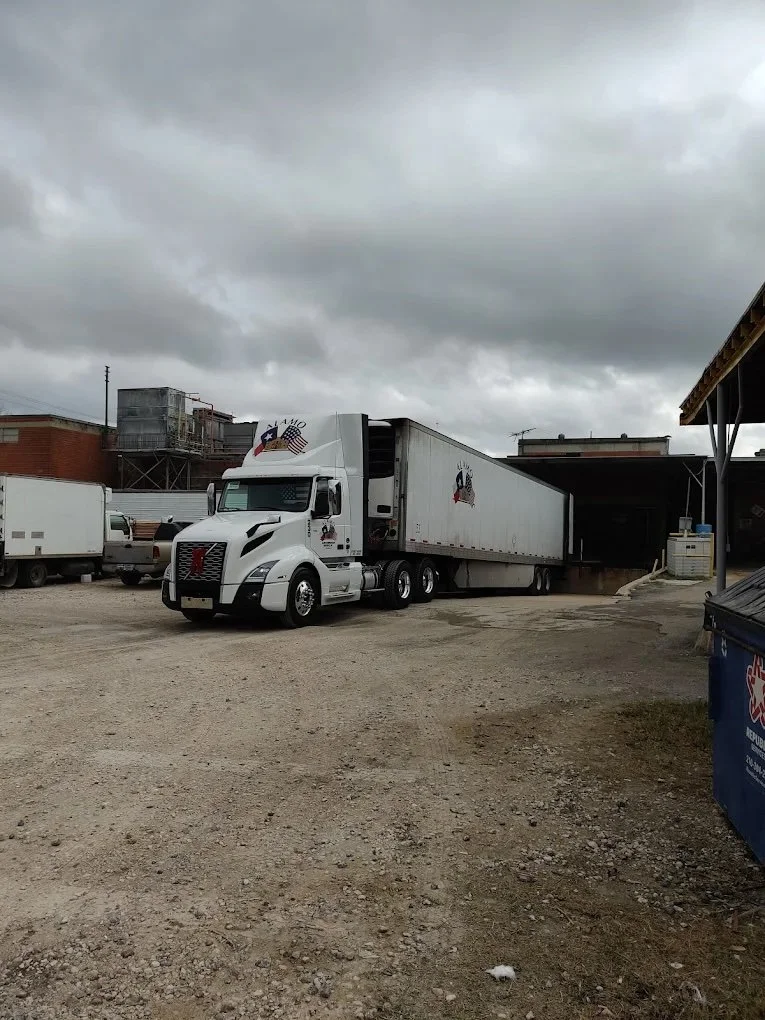
Energy, sustainability, and sanitation intersect
Facilities everywhere are trying to cut energy use. In refrigerated storage, that means door alarms, better seals, VFDs on fans, and smarter defrost. Well-managed sanitation supports that effort. Dry floors mean fewer defrost cycles. Clean evaporator fins transfer heat better. Doors that open and close promptly save energy while preventing condensation. Sustainable chemical choices and accurate dilution reduce environmental load and cost. Waste segregation and compaction keep docks clear and discourage pests. When you walk a building that runs both clean and efficient, you feel the rhythm.
A brief word on emergencies and resilience
Power outages, severe weather, and refrigerant issues test a facility’s hygiene discipline. The plan should cover not just temperature maintenance, but also sanitation steps after an event. If a storm keeps doors closed for a day, condensate may form when operations resume, and drains will need attention. If a roofing issue caused leaks, ceiling panels must be inspected and cleaned before resuming storage in that zone. Ask how the operator handles post-event sanitation verification, including environmental swabs before releasing product.
What it looks like when everything comes together
The best temperature-controlled storage facilities have a lived-in look that is both tidy and practical. Tools hang where crews can reach them, color coded by zone. Chemical stations are clean, with clear labels and test kits ready. A forklift parks on a mat with a catch tray beneath, forks wiped down. Doors cycle fast, and someone notices when a strip curtain misaligns. Floors are matte from mild texture, not shiny from residue. Logs are current, not backfilled. If you ask a line worker about sanitizer concentration, they give a range and show you a strip. If you ask the supervisor about their toughest area, they show you a drain they are trialing a new brush on, not a blank stare.
Whether you need long-term refrigerated storage for imported produce or short-term temperature-controlled storage San Antonio TX for seasonal overflow, the right partner treats hygiene and sanitation as core operations, not a compliance afterthought. Your product will be safer, your claims will drop, and your brand will thank you.
Final checkpoints before you sign a contract
A brief, focused set of questions at the end of your evaluation can save months of frustration.
- What is your process when an environmental swab comes back positive for Listeria species, including containment, resample logic, and customer notification? How do you manage condensation at dock doors during peak summer humidity, and can you share data that shows it works? Which sanitizers do you use in freezers, and how do you validate efficacy at low temperatures? How often do you deep clean drains and under-rack areas, and who verifies completion? Can you provide three months of temperature and humidity trends for the rooms we would use?
If the answers come with specifics, examples, and a willingness to let you see the data rather than general assurances, you likely found a refrigerated storage partner who understands that clean is not a look, it is a system.
Auge Co. Inc 3940 N PanAm Expy, San Antonio, TX 78219 (210) 640-9940 FH2J+JX San Antonio, Texas